
When the furnace fails, Ajax searches Google. We make sure your HVAC business is the answer.
Local SEO built around the HVAC demand calendar. Furnace repair in January. AC install in May. Maintenance plans in the shoulder seasons. We map your search visibility to the weeks your phone actually rings.
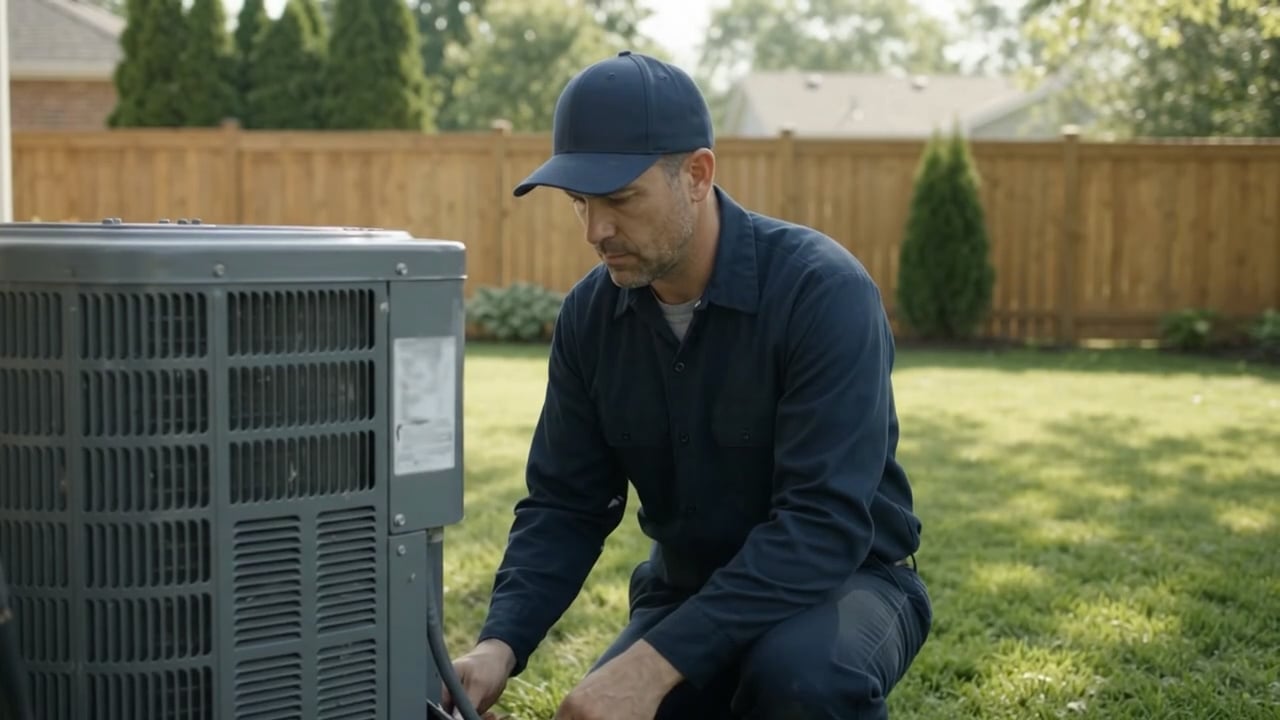 HVAC technician
Trusted by growing businesses from the GTA to Los Angeles and Dubai
Ajax HVAC Demand Doesn't Wait.
Ajax has a split HVAC market most agencies miss. On the residential side, the older housing stock around Pickering Village and Lakeside has aging furnaces hitting end-of-life every winter. New builds in Westney Heights need installs and maintenance contracts from day one. On the commercial side, the 401 corridor and the Bayly Street commercial zone host restaurants, warehouses, and retail spaces with their own HVAC needs and budgets.
That split matters because each side searches differently. Homeowners search "furnace not working Ajax" at 11 PM in January. Commercial property managers search "commercial HVAC contractor Durham" during business hours. If your site treats both audiences with one page, you lose both.
And then there's seasonality. Furnace search volume in Durham peaks in December and January. AC volume peaks in June and July. The shoulder seasons of March, April, and September are quieter on emergency but high on maintenance contract conversion. Most HVAC websites stay static all year. Yours shouldn't.
Keyo builds HVAC SEO around the actual Durham demand curve. Content drops before each peak, not during. Emergency pages stay sharp year-round. Maintenance content runs in the shoulder seasons. Your visibility ramps up exactly when your competitors are still scrambling to update last year's site.
Dec to Feb: Furnace Emergency Peak
Highest emergency search volume of the year. Older homes around Pickering Village and South Ajax hit this window hardest.
Mar to Apr: Shoulder & Tune-Up Season
Maintenance plan signups peak. Lowest emergency volume. Best time to lock in recurring contracts.
May to Aug: AC & Cooling Peak
AC repair and install searches spike. Commercial cooling along the 401 corridor especially active.
Sep to Nov: Pre-Winter Prep
Westney Heights new builds book pre-season checks. Furnace replacement decisions made now.
If Any of This Sounds Familiar.
These are real concerns we hear from HVAC contractors in Durham Region. Each one has a specific fix.
“We rank okay for furnace install but disappear for emergency furnace repair.”
The fix. Emergency keywords need dedicated landing pages with their own schema, GBP attributes flagging 24-hour service, and content that signals urgency response time. We build that separation so both intent types convert.
“Our Google Maps profile drops out of the 3-pack as soon as summer hits.”
The fix. Maps rankings are dynamic and reward fresh activity. We post weekly during peak seasons, add seasonal photos, update services, and keep Q&A current. Active profiles tend to outrank static ones, especially in competitive categories.
“Commercial leads always go to bigger Toronto-based HVAC companies, not us.”
The fix. Commercial HVAC is a separate funnel with separate keywords. We build commercial-specific pages targeting the 401 corridor, Bayly Street commercial zones, and property management decision-makers in Durham.
“We're a Lennox dealer but nobody finds us when they search for Lennox installers.”
The fix. Brand-specific landing pages. Each equipment brand you carry deserves its own page with model coverage, warranty information, and certification mentions. Generic HVAC pages don't capture brand-specific search intent.
“Our maintenance plan content gets zero traffic even though it's the best part of our business.”
The fix. Maintenance plans convert best in the shoulder seasons. We time content drops to March and September, optimize for keywords like "furnace tune up Ajax" and "AC maintenance Durham," and use Google Posts to keep the message in front of homeowners year-round.
“We get plenty of website visitors but the calls go to whoever advertises on Google.”
The fix. Two issues usually. First, your Maps presence isn't strong enough to compete with Ads in the local pack. Second, your landing pages aren't structured for emergency-mode visitors who want a phone number above the fold. We fix both.
The HVAC SEO Stack, Built for Ajax
These are the specific pieces we work on for every Ajax HVAC client. Each one moves a specific ranking or conversion metric.
Seasonal Content Calendar
12-month plan that maps content drops to the Durham HVAC demand curve. Furnace urgency in October. AC content in March.
Emergency Landing Pages
Dedicated pages for emergency furnace, emergency AC, no heat, no cooling. Schema, phone-first design, urgency signals.
Service-Area Pages
One page per city you serve. Ajax, Pickering, Whitby, Oshawa, and surrounding Durham municipalities. Real neighbourhood references.
Brand-Specific Pages
Dedicated pages for each manufacturer you install (Lennox, Carrier, Trane, Goodman, York). Captures brand-specific search intent.
Residential vs Commercial Split
Separate site architecture for homeowners vs property managers. Different keywords, different page structures, different CTAs.
GBP Service-Area Setup
Correct service-area business configuration. HVAC-specific categories and attributes. Weekly posts and photos.
Maintenance Plan Funnel
Content built to convert visitors into recurring maintenance contracts. Schema markup for service offerings.
Trade Directory Citations
HomeStars, HVAC.com, BBB, and HVAC-specific directories. NAP consistency that signals trust to Google.
Review Velocity Strategy
Review request automation timed to job completion. Owner response templates. The review signal that moves Maps rankings.
What We'd Prioritize for an Ajax HVAC Business
This is the strategy we'd recommend to a new Ajax HVAC client based on what we've seen work for similar trade businesses. Specifics adjust once we have read your site and your Business Profile.
Foundation
- Google Business Profile complete overhaul
- HVAC-specific service categories + attributes
- Emergency landing pages built (furnace, AC, no-heat)
- Citation cleanup across HomeStars, BBB, HVAC.com
- Service-area pages for Ajax + 3 sibling cities
Audience Split
- Residential vs commercial site architecture
- Commercial pages targeting 401 corridor + Durham
- Brand-specific pages (top 3 brands you carry)
- Seasonal content drop for upcoming peak
- Review request automation activated
Conversion Lift
- Maintenance plan landing pages + funnel
- Q&A optimization on Google Business Profile
- Weekly GBP posts established as habit
- Internal linking audit + cleanup
- First reporting on calls + lead lift
Sequence, not a promise. What actually gets built first comes out of the first-month audit of your site, your Business Profile and your competitors.
Numbers from businesses like yours, not from a slide deck.
Every figure below is pulled from Ahrefs, Google Search Console or Local Falcon and dated. Read them, then ask to see the accounts.
Titan Walk-In Coolers
A Mississauga refrigeration company with zero page-one rankings in June 2024. Keyo built the service and city structure and ran the Google Business Profile as a live channel.
Ahrefs figures are third-party estimates. Search Console and Business Profile numbers come from each client's own Google account. Local Falcon scans the map pack from a grid of points around the business.
Four steps from inquiry to the phone ringing.
No slide deck, no twelve-month contract. A one-page scope, a verified backup, then the cleanup and the build, reported every month in five parts.
Every week, every account
Articles publish Monday, Wednesday and Friday at 10 a.m., each with a matching Google Business Profile post.
- Search Console review and keyword movement
- Indexing issues caught and resubmitted
- Internal links added to new and money pages
- Urgent technical fixes, same week
- Google Business Profile activity check
We read it properly.
Your website, your Google Business Profile and the competitors in Ajax and Durham, before we reply. If we are not the right fit for your market or your stage, we say so and point you somewhere better.
A 30-minute fit call.
What is costing you calls today, what we would fix first, what we would build after that, and what it costs. Straight numbers, no slide deck.
A one-page scope, then access and a backup.
What we fix, what we build, what we report each month, and the monthly figure. Website admin, Google Business Profile, Search Console and analytics access, then a backup taken and verified before anything is touched.
Cleanup, build, report.
The site stops leaking calls first. Then the service and neighbourhood pages, the profile rhythm and the schema. Every month: baseline, work completed, what moved in search, what it did for the business, next action.
Asked on most fit calls.
If yours is not here, the direct line is (647) 717-7785, and the answer comes from the person who would do the work. You might also want to read how we work.
When is the best time of year for an Ajax HVAC business to invest in SEO?
The best time to start is 90 to 120 days before your demand peak. For furnace work that means starting in September, well ahead of the December and January cold snaps. For AC and cooling, start in March before the May spike. Starting at the demand peak is too late; rankings need lead time to build.
How do you handle the seasonal demand curve for HVAC SEO?
We build a 12-month content and posting calendar around the actual demand curve in Durham. Furnace urgency content goes live in October. Maintenance plan content drops in March and September during shoulder season. AC content peaks in May. The work is timed so search visibility builds before each window opens, not during.
Can you handle SEO for both residential and commercial HVAC?
Yes, but the strategies are different. Residential HVAC SEO targets emergency consumer searches and Maps 3-pack visibility. Commercial HVAC targets longer-cycle B2B searches along the 401 corridor and Bayly Street commercial zones. We build separate page structures so each audience finds the right entry point.
Are emergency keywords actually worth optimizing for?
Emergency searches tend to convert better than general informational searches because the customer has an urgent problem and is ready to call. When someone searches "emergency furnace repair Ajax" at 11 PM in January, they typically call the first business that ranks. That's why dedicated emergency landing pages are worth the build.
How does Google Business Profile work for HVAC businesses specifically?
HVAC is a service-area business category, which means your GBP shows the cities you serve rather than a storefront address. We set up your service area correctly, choose the right primary and secondary categories, add HVAC-specific attributes (24-hour service, emergency service, estimates), and post seasonal content weekly.
Are brand-specific pages (Lennox, Carrier, Trane) worth building?
Yes, if you're a certified installer or service provider for those brands. People search for "Lennox installer Ajax" or "Carrier service Durham" specifically because they trust the brand. A dedicated page for each brand you carry captures that intent and separates you from generalist competitors.
What does this cost?
Engagements start at $2,500 a month, month to month, and the exact figure is written on a one-page scope before anything starts. Website design is scoped separately from $5,000 on Squarespace, Shopify or WordPress, brand work from $2,500, and photo and video from $1,500. No long-term contracts and no setup fees.
Do you have an office in Ajax?
Keyo works from 1423 Yonge Street in Toronto. Ajax and Durham clients are served exactly the way Toronto clients are: the direct line, (647) 717-7785, for calls and texts through the day, one five-part report a month, and a review of the strategy every 90 days.
Every trade and service, one page each.
Trades
Other industries
If the ambition is serious, let's talk.
We review every inquiry personally and accept only the partnerships where we believe we can create a meaningful advantage in Ajax and Durham Region.
From $2,500/month · Established businesses · Month to month · A handful of new engagements a year
Toronto HQ, 1423 Yonge St · About Keyo · How we work · Case studies